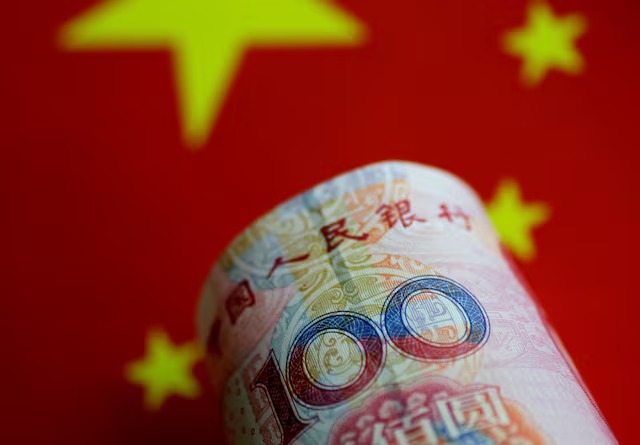
European companies are facing increasing pressure due to China's alleged currency manipulation to keep its yuan weak, a study by the German Economic Institute showed, as EU leaders prepared for a summit in Beijing aimed at navigating trade disputes. The yuan-euro exchange rate has remained stable in recent years despite significant shifts in cost relations between Europe and China, suggesting likely currency manipulation by the central bank, said Juergen Matthes, author of the study by the Institute (IW), which was seen by Reuters. The Reuters Daily Briefing newsletter provides all the news you need to start your day. Sign up here. Advertisement · Scroll to continue
Report This Ad Extremely low prices mean more European companies are sourcing intermediate goods from China, contributing to deindustrialisation on the continent, he said, urging the EU to take action. "The artificially low costs in China, driven by yuan undervaluation, are simply too attractive," Matthes said. Those companies that did not source their intermediate goods from China would lose market share to rivals who "fully exploit China’s price advantages." The Chinese central bank did not immediately respond to a request for comment. EU leaders arrive in Beijing on Thursday for a top-level summit with China as both sides seek to navigate trade disputes amid broader global trade uncertainties. Advertisement · Scroll to continue In response to allegations of currency manipulation, China has in the past said it was committed to implementing a managed floating exchange rate regime, based on market supply and demand. UNDER PRESSURE The study comes as European companies are under pressure from a surge in Chinese exports diverted from the United States and an appreciation of the euro against the dollar due to U.S. President Donald Trump's trade policies, economists say. Producer prices in Germany and the euro zone have surged since 2020 due to supply chain disruptions and the energy crisis, whereas prices in China have hardly increased. Yet, the exchange rate has barely moved, leading to a real appreciation of the euro against the yuan of over 40% between early 2020 and spring 2025, and deepening the euro zone trade deficit with China, the study shows.