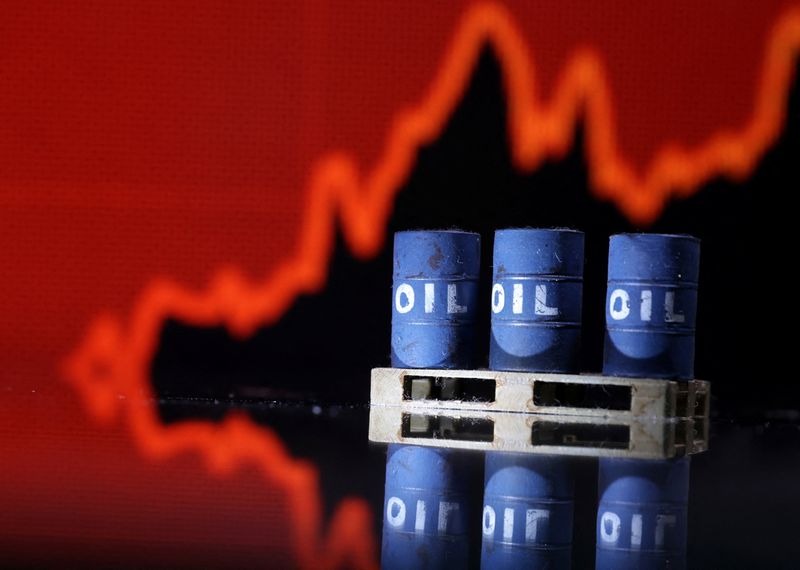
The impact of the U.S. incursion in Venezuela on global oil markets is likely to be limited, as structural constraints mean the country cannot deliver a meaningful increase in supply in the near term, ANZ analysts said in a research note.
Geopolitical risks have returned to the oil market after U.S. forces captured Venezuelan President Nicolás Maduro, prompting renewed scrutiny of the country’s vast crude reserves and the outlook for its struggling energy sector.
However, ANZ said Venezuela’s oil industry has been hollowed out by years of mismanagement, underinvestment and sanctions, sharply curbing its ability to influence global balances.
Get exclusive crude market insight, analyst recommendations with InvestingPro - 55% off today According to the bank, a smooth political transition -- viewed as the least likely outcome -- could see U.S. sanctions lifted quickly, allowing exports to rise by more than 200,000 barrels per day toward pre-embargo levels of around 900,000 bpd.
Even in that scenario, ANZ said the additional supply would be modest in the context of the global market and would result in only a limited downward impact on oil prices.
The more probable scenario is heightened political instability, which would keep the risk of supply disruptions elevated in the short term, ANZ said.
Venezuela’s oil production has fallen sharply from about 2.3 million bpd in 2015, reflecting collapsing investment and ageing infrastructure, with recent spending well below the levels required even to maintain current output, analysts said.
ANZ noted that any meaningful recovery in production would require substantial capital injections and long development timelines, meaning higher output would be unlikely before the end of the decade even under favourable conditions.
Past U.S. interventions in oil-producing countries have typically resulted in temporary supply disruptions rather than rapid production gains, the bank added.
ANZ said Venezuela’s situation is more likely to support a short-term geopolitical risk premium in oil prices than trigger a sustained shift in global supply dynamics.