Stocks surged and the U.S. dollar and oil prices slid on Monday as the prospect of a deal to end the Iran war buoyed risk appetite, although a lack of clarity over when the Strait of Hormuz would open kept enthusiasm in check. The nearly three-month-long conflict in the Middle East has driven energy prices sharply higher and reshaped the global rates outlook, as inflation concerns intensify following Tehran's effective shutdown of the key strait. The Reuters Iran Briefing newsletter keeps you informed with the latest developments and analysis of the Iran war. Sign up here.
U.S. President Donald Trump said on Sunday he had told his representatives not to rush into any deal with Iran and his administration played down hopes of an imminent breakthrough. Just a day earlier, Trump said Washington and Iran had "largely negotiated" a memorandum of understanding on a deal that would reopen the waterway, which carried one-fifth of global oil and liquefied natural gas shipments before the war. Chris Weston, head of research at Pepperstone, said markets have become less focused on the timing of a resolution and instead been keeping an eye on the tone of the headlines. "The tone has been consistently towards some sort of resolution... We've become very patient for a resolution deadline," he said.
Stock markets brushed off comments from Iran's foreign ministry spokesperson on Monday saying that while many topics had been agreed, this did not mean Tehran is close to signing a peace deal.
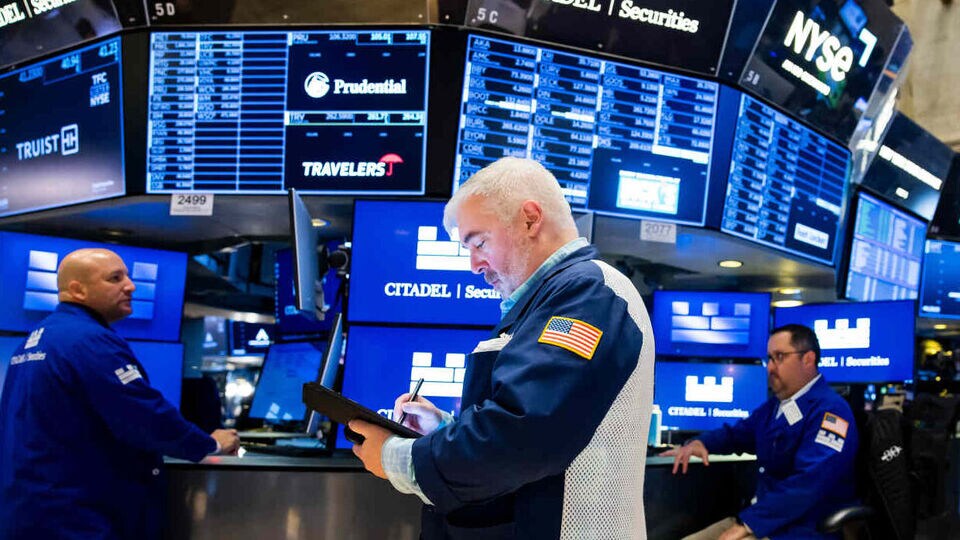
The pan-European STOXX 600 (.STOXX), opens new tab climbed over 1.5% to 630.65, while Nasdaq futures were 1.4% higher and S&P futures were up 1%. However, liquidity was likely to be thin on Monday, with several markets including in Britain and the United States closed for public holidays.
The euro zone government bond market is on a tear, with Germany's 10-year government bond yields hitting their lowest since April 8, last down almost 10 basis points while Italy's 10-year yields fell to their lowest since April 17.
For much of the year, oil prices have steered broader markets, as investors sift often conflicting signals from Washington and Tehran, with both sides locked in talks since a fragile ceasefire took hold in April. Markets may be heading for turbulence. So, is it time to deploy the options airbag?
On Monday, oil prices hit two-week lows, with Brent crude futures down $6, or about 6%, to $97.55 a barrel, while U.S. West Texas Intermediate was at $90.97 a barrel, also down about 5.6%.
Analysts expect oil prices to stay elevated even if there is a resolution in the near term, and they are unlikely to return to levels before the war as it will take time to remedy supply chain disruption from the conflict. Last week, Barclays maintained its 2026 average Brent crude oil price forecast at $100, though it said risks are skewing higher. The euro was up 0.4% at $1.1647, while the Japanese yen firmed to 158.91 per U.S. dollar as the safe-haven dollar gave up some of its recent gains. [FRX/]
In Asia, Japan's Nikkei (.N225), opens new tab jumped roughly 3% to roar past the 65,000 level for the first time and Taiwan stocks rose (.TWII), opens new tab to 43,644, both closing at record highs.