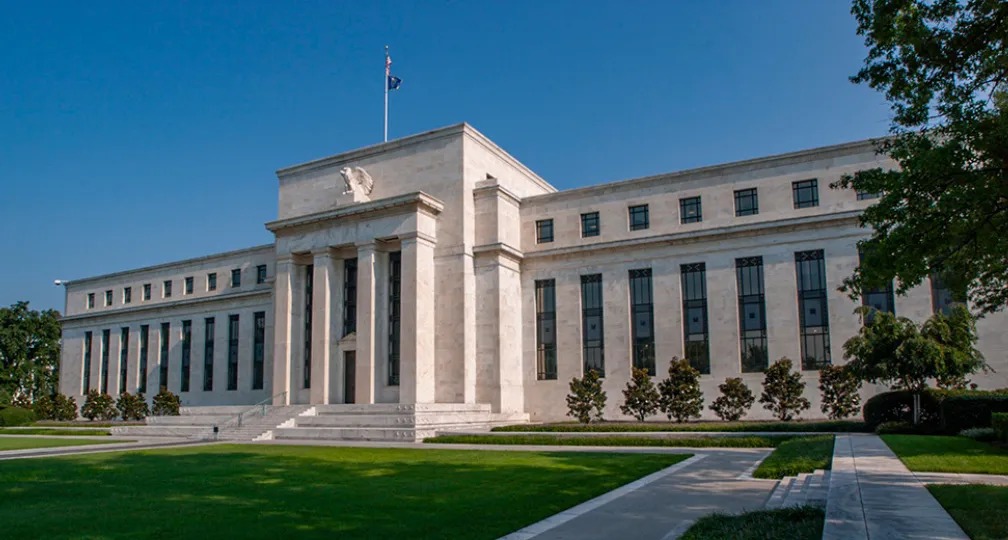
The Federal Reserve has launched a formal inquiry into major U.S. banks regarding their ties to the private credit industry, signaling growing alarm over potential systemic spillover.
Track bank stocks and financial risks with InvestingPro - now 50% off
The move follows a sharp rise in troubled loans and a wave of investor redemptions within the $1.8 trillion sector, which has come under intense pressure following the global market shocks triggered by the conflict in the Middle East.
Assessing the “intertwined” risk Fed examiners are incorporating specific queries into their routine oversight to determine exactly how much debt private credit funds have originated from traditional banks.
Credit lines typically enhance returns during periods of growth, but regulators fear they now serve as a transmission belt for losses. The Treasury Department is concurrently questioning the insurance industry, which has become a primary engine for nonbank lending over the last decade.
The scrutiny intensified after retail credit funds faced a rush of withdrawals in recent weeks. Unlike traditional banks, private credit relies on investor capital rather than deposits, making it highly sensitive to shifts in liquidity.
Financial Stability Board Chair Andrew Bailey warned this week that the sector may face further "non-linear" stress due to the economic fallout from the war in Iran, which has already strained global credit conditions and heightened valuation concerns.
Deregulation vs. supervisory caution
The Fed’s probe creates a complex backdrop for the Trump administration’s broader push to loosen Wall Street lending rules.
Officials such as Fed Vice Chair for Supervision Michelle Bowman support reducing the strict regulations to help banks compete with nonbanks, but the current inquiry suggests a tactical pivot toward identifying concentrated risks.
Industry leaders remain divided on the threat. JPMorgan Chase & Co (NYSE:JPM) CEO Jamie Dimon recently highlighted a "lack of transparency" and poor valuation standards in private credit, though he stopped short of labeling it a systemic risk.
Major funds like Blackstone Inc (NYSE:BX) and Blue Owl Capital Inc (NYSE:OWL)) maintain significant leverage, and regulators are moving to ensure that a downturn in private portfolios does not leave the banking sector holding impaired collateral.