Gold prices eased back from some earlier gains on Friday, while the dollar stabilized, as markets assessed the prospects of talks to end the Iran war.
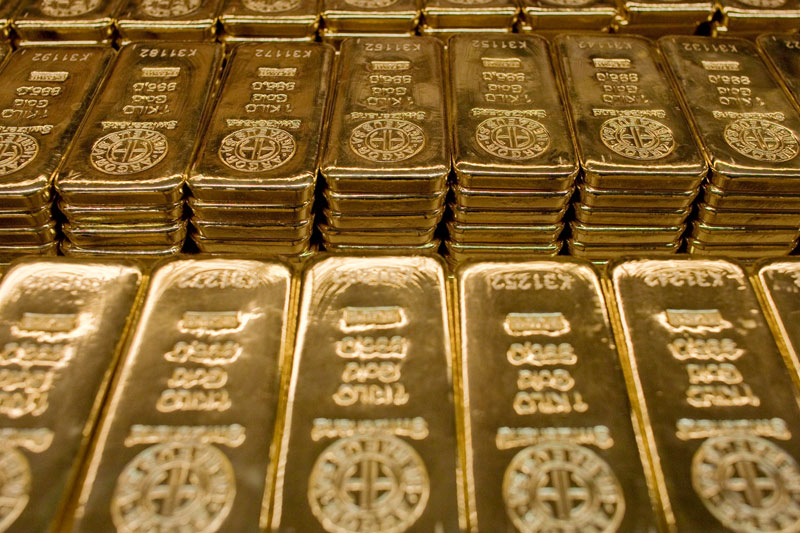
Spot gold was up 0.9% at $4,417.72 an ounce at 06:42 ET (10:42 GMT), after having ticked higher by roughly 2% in Asian trading. Gold futures advanced 0.8% to $4,442.90 an ounce.
For the past one-week period, spot gold remained on track for a loss of roughly 1.7%.
Get premium commodity market insights with InvestingPro - now 50% off
Trump extends pause to Iran energy attacks
U.S. President Donald Trump said on Thursday that a White House deadline for Iran to reopen the Strait of Hormuz or face U.S. attacks on energy facilities would be extended until April 6.
In a Truth Social post, Trump claimed the extension came at the request of the Iranian government, adding that Tehran was engaged in "ongoing" talks with the United States that are "going very well." Media reports to the contrary, he insisted, were "erroneous."
Trump previously issued an ultimatum to Iran last weekend in which he vowed to strike power plants in the country’s if it did not unblock the Strait of Hormuz, a vital waterway through which roughly one-fifth of the world’s oil flows. Trump later said he would not do so until Friday after what he described as "very strong" discussions with Iran.
Tehran has publicly denied that any such negotiations with Washington are happening.
Against this muddled backdrop, investors once again appeared to seek the recent safety of the U.S. dollar. The U.S. dollar index, which tracks the greenback against a basket of six currency peers, was last higher by 0.1% at 99.99.
Strength in the dollar has undermined the appeal of gold, which is typically viewed as an investment bastion during times of geopolitical strife. Observers have flagged that bullion’s shine may have been dented by a spike to record peaks in January, with the yellow metal having since slipped by around 20%.
A sharp spike in oil prices, triggered by supply disruptions from the effective closure of the Strait of Hormuz, has fueled concerns over global inflation. That in turn has reinforced expectations that central banks will maintain interest rates at higher levels for longer. Gold tends to underperform in high rate environments.