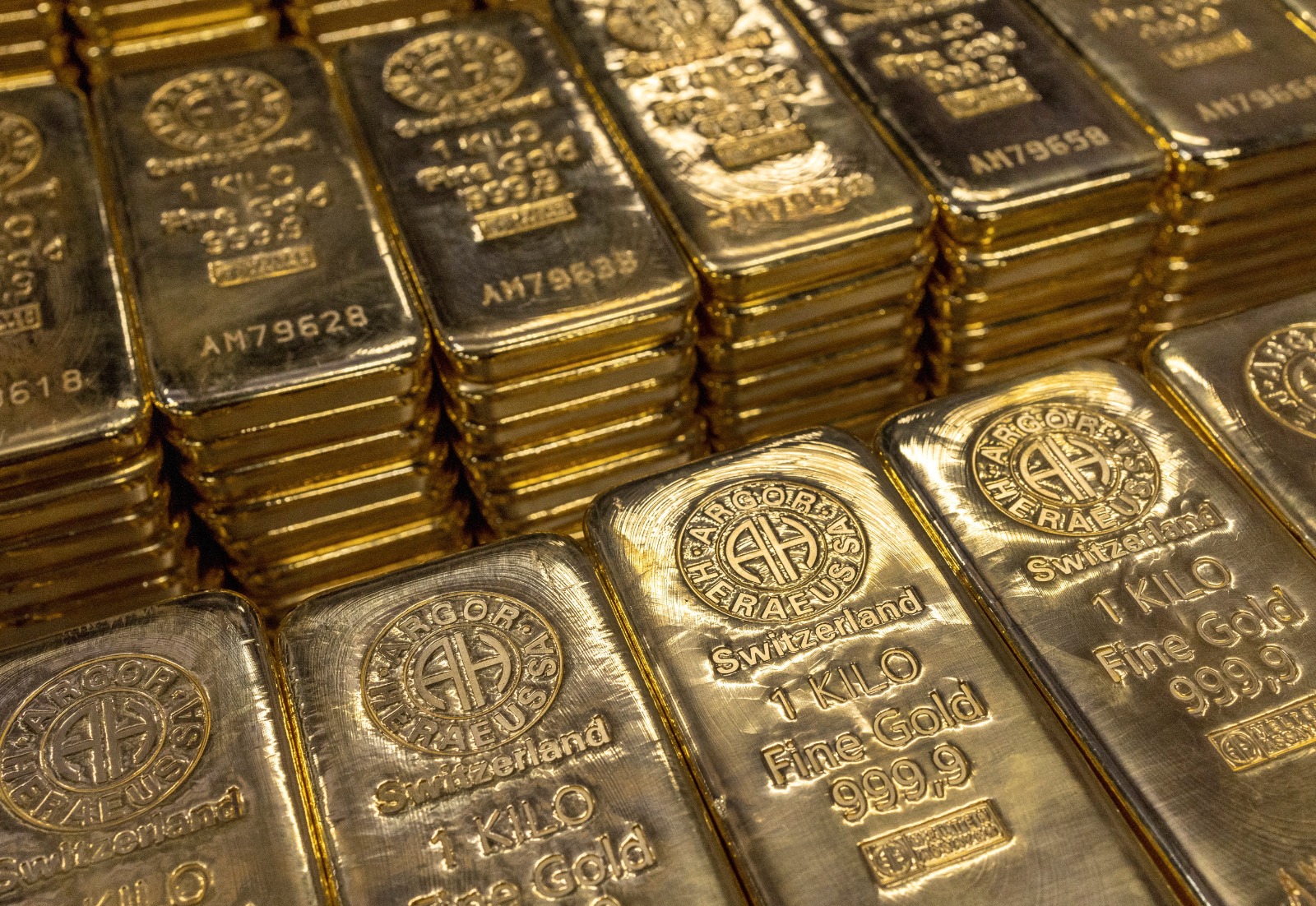
Gold prices steadied on Monday, as investors bought the metal after it slipped to a more than 1-1/2-month low following inflation fears that triggered a rout in the global bond market.
Spot gold was steady at $4,539.48 per ounce, as of 0724 GMT, after hitting its lowest level since March 30 earlier in the session. Get a daily digest of breaking business news straight to your inbox with the Reuters Business newsletter. Sign up here. U.S. gold futures for June delivery lost 0.4% to $4,543. Oil prices hit a two-week high after a drone strike caused a fire at a nuclear power plant in the UAE, officials there said on Sunday.
Benchmark 10-year U.S. Treasury yields rose to their highest since February 2025 on Monday, while the 10-year Japanese government bond yield touched levels last seen in October 1996. "The selloff in the longer end of the U.S. Treasuries implied that longer-term interest rates potentially are on the rise, which also indirectly creates a higher opportunity cost for holding gold," said Kelvin Wong, a senior market analyst at OANDA. Expectations of higher rates have put pressure on gold prices as the yellow metal does not yield interest. Markets are increasingly pricing in a U.S. Federal Reserve rate hike before year-end, with a 50% chance of a move by December, according to CME Group's FedWatch tool
J.P. Morgan said late on Sunday that it has lowered its 2026 average gold price forecast to $5,243 per ounce from $5,708, citing weaker near-term demand for the precious metal. "Gold is stuck in a bit of a technical no-man’s land, trudging above the 200-day moving average around $4,340/oz and capped for now below the 50-day moving average at $4,730/oz," the bank said, adding that expectations of Fed hikes have put gold on the back burner for most investors at the moment.
Spot silver fell 0.5% to $75.60 per ounce, platinum lost 0.1% to $1,970.74, and palladium dropped 1.1% at $1,396.74.