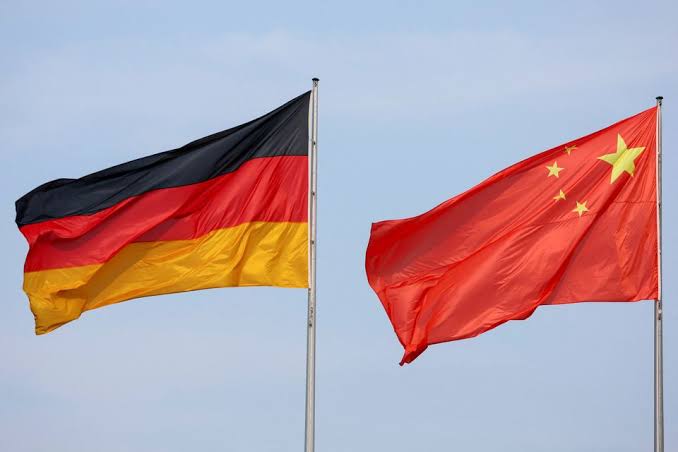
Germany's trade deficit with China widened in the first half of 2026, even as the Asian powerhouse remained its top trade partner, preliminary data from state-run agency Germany Trade & Invest (GTAI) showed on Sunday. German exports to China fell over 12% year-on-year to just under €37 billion between January and June, the data showed, as Chinese firms cut reliance on European imports, making China only the ninth-biggest market for German goods.
As recently as 2021, China was the second-biggest export market. That year, Germany sold China merchandise worth €104 billion, despite the effects of the pandemic. Now, German manufacturing is struggling with both U.S. tariffs and Chinese competition, triggering major job cuts at bulwarks of industry such as carmaker Volkswagen.
China, though, is selling more and more to Germany. In the first half of last year, Germany ran a trade deficit of €40 billion with China. That had swelled to some €55 billion during the same period this year. German imports from China rose 8.9% to €91.8 billion over the period. Total trade was over €128 billion, €3 billion more than with the United States.
The reasons for declining exports to China are the weak domestic economy and increasing (Chinese) focus on domestic value chains," said GTAI East Asia expert Corinne Abele. German firms are now producing more inside China itself, while China's property crisis and cash-strapped regional governments are curbing investment, Abele added.
Far smaller economies like Austria and Switzerland have bought more German goods than China in 2026, the data showed. China's diminishing reliance on Germany showed it is becoming more independent of Western powers and catching up technologically, said Commerzbank economist Vincent Stamer. China overtook the U.S. as Germany's top trading partner in 2025 after U.S. President Donald Trump returned to the White House and launched protectionist tariff policies that have eroded German exports to the United States.