Global bond markets came under heavy pressure at the end of September, with government borrowing costs rising sharply as investors weighed persistent inflation, higher energy prices and growing fiscal concerns.
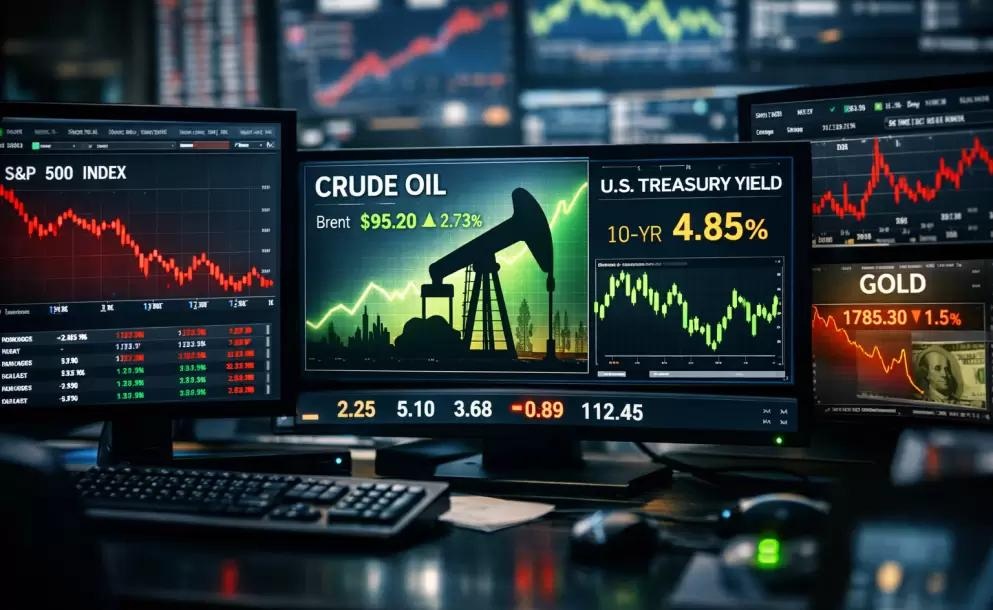
U.S. Treasury yields remained elevated, with the benchmark 10-year yield trading near its highest level in years. The rise in yields has increased financing costs across the economy, affecting governments, companies and households while also reshaping expectations around interest rates and investment conditions.
European bond markets have also faced pressure, with yields in major economies moving higher amid concerns over public finances and the broader impact of elevated borrowing costs. The move has reinforced uncertainty around how long restrictive financial conditions may remain in place.
Despite weakness in bonds, global equity markets have shown greater resilience. Technology shares and other growth sectors have continued to attract investor interest, supported by strong earnings expectations and ongoing enthusiasm around artificial intelligence.
Energy prices have added another layer of pressure. Oil prices remained elevated, contributing to renewed concerns about inflation and the cost environment facing businesses. Higher energy prices can raise transportation, production and operating expenses across multiple sectors, particularly for companies with high exposure to logistics and manufacturing.
Currency markets also reflected the changing interest-rate environment, with the U.S. dollar supported by stronger Treasury yields while several major currencies weakened over the month.
For businesses and investors, the combination of higher bond yields, firmer oil prices and persistent inflation creates a more challenging financing environment. Companies may face higher borrowing costs at the same time as input expenses remain elevated, increasing the importance of balance-sheet management and funding strategy.
The contrast between weaker bond markets and relatively resilient equities highlights the mixed conditions currently shaping the global economy, with investors balancing tighter financial conditions against continued corporate growth in selected sectors.