Global oil transportation costs have surged dramatically as geopolitical conflicts, shipping disruptions and rising demand for available tankers place additional pressure on international energy markets.
The cost of transporting crude oil along major shipping routes has increased sharply, with some supertanker journeys now costing several times more than a year earlier.
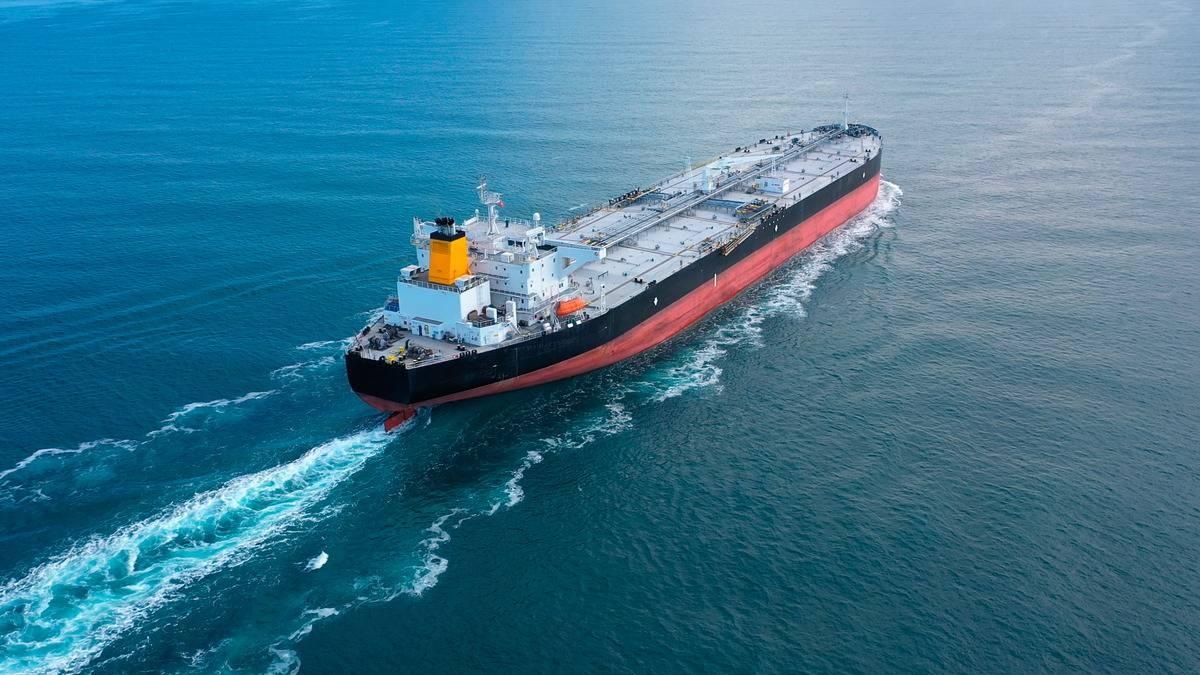
A planned voyage transporting crude oil from the United States to Japan illustrates the scale of the increase, with the estimated freight bill reaching approximately $81 million, compared with around $9 million for a comparable journey a year ago.
The sharp rise reflects disruptions to established shipping routes, higher insurance premiums and a shortage of available large crude carriers.
Ongoing tensions in the Middle East and the Russia-Ukraine conflict have forced some vessels to travel longer distances or avoid routes considered particularly exposed to security risks.
Higher transportation expenses are being passed through the energy supply chain, increasing costs for refiners, fuel distributors and businesses dependent on international commodity shipments.
The consequences could extend beyond gasoline and diesel prices, potentially adding to the cost of food production, manufacturing and consumer goods.
Energy-importing economies in Asia are particularly exposed because many depend heavily on maritime shipments of crude oil and refined petroleum products.
Although freight rates could decline if shipping conditions improve and additional vessels become available, continued geopolitical uncertainty is expected to keep transportation costs elevated.
The latest increase highlights the growing role of maritime logistics in determining global energy prices and inflationary pressures.